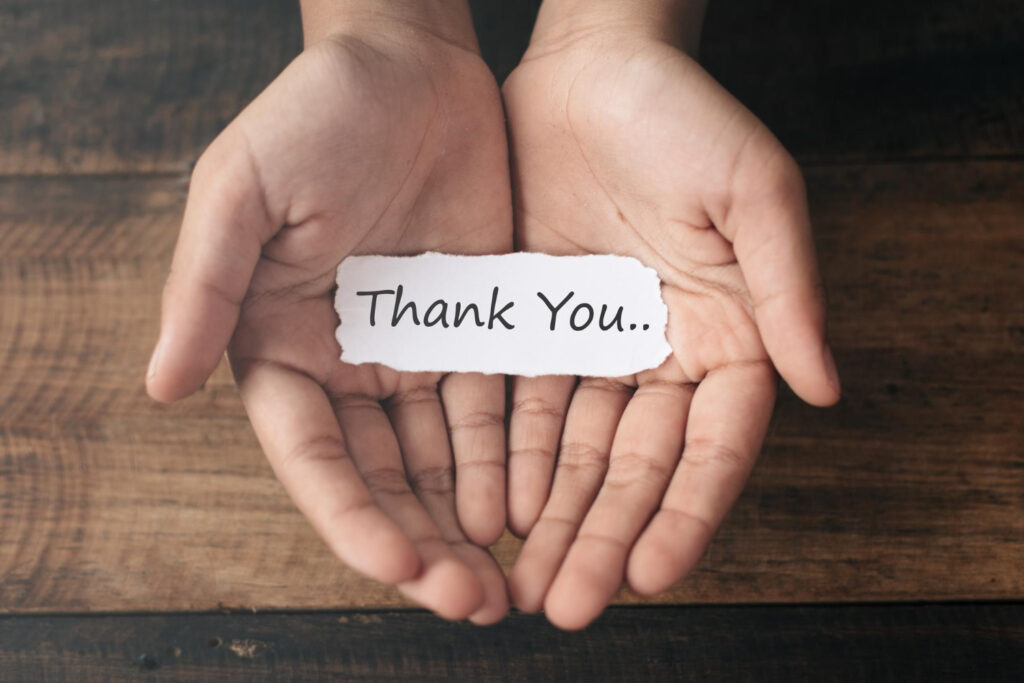
This isn’t about appreciation. You should absolutely recognize and express gratitude to the people who support your organization. But in the nonprofit community, much of our thanking has become performative — obligatory rather than genuine. It rings hollow because we’re more focused on getting a boilerplate acknowledgment letter out within 48 hours than on actually reaching out in a meaningful way. These letters are technical and cold, as if a quick handwritten note near the signature transforms them into a warm embrace. Worse, they reveal how we actually think about donors: as altruistic givers motivated purely by the goodness of their hearts.
We need to change our posture.
We need to think of donors as investors. My brokerage firm doesn’t flood me with thank-you messages. What it does do is send regular reports on how my investments are performing and have my portfolio manager call me periodically to talk through whether my investment strategy still makes sense. That’s the model. Instead of empty platitudes, we should be telling donors how their dollars are performing in the community. This shows genuine appreciation for both the gift and the intention behind it, and it builds lasting relationships between donors and the organization.
This does require more from us on the front end. We need to understand why donors are giving and what their interests are, and our “investment reports” need to speak directly to those interests. Sharing organizational updates and naming challenges on the horizon should also be part of our donor communication, if we are truly treating donors as partners in the work.
Don’t misunderstand me: we absolutely need to thank donors for their investment in the organization. But instead of piling on “thank yous” and “we are so grateful for your generosity,” think about what donors need to hear to feel confident they made a sound investment. Tell them how their gift is performing, the difference it is making in the community, and what other opportunities exist for them to invest further. Build the best portfolio you can, together.